Getting Started with Python: A Beginner's Journey
George Bennett ·
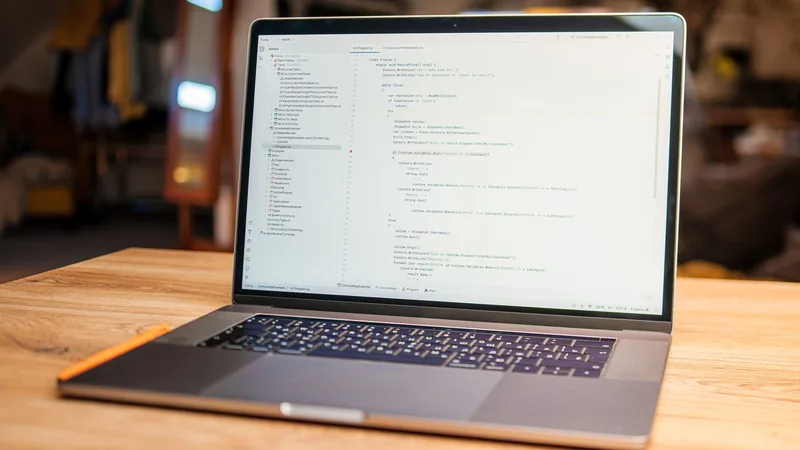
Learning Python can feel like stepping into a new environment, full of possibilities and challenges. As I sat at my desk, the soft hum of my laptop filled the room, and I could see lines of code…
Essential Python Concepts for Beginners
As you embark on your journey of learning Python, grasp the essential concepts that form the foundation of this versatile programming language. Understanding these building blocks will enhance your coding skills and empower you to tackle more complex problems down the line. If you're looking to develop software, automate tasks, or analyze data, mastering the basics of Python will set you on the right path
Python is known for its readability and simplicity, making it an ideal choice for beginners. The syntax is intuitive, allowing you to focus on problem-solving rather than getting lost in complicated code structures. By familiarizing yourself with variables, data types, and control structures, you will develop a strong base to build upon as you dive deeper into programming.
Understanding Variables and Data Types
Variables in Python act as containers for storing data values. Understanding how to declare and use variables is fundamental to programming. There are several data types in Python, including integers, floats, strings, and booleans. Each data type serves a different purpose and is used in various contexts. For instance, integers are used for counting, while strings are essential for handling text. Familiarizing yourself with these types will allow you to manipulate and utilize data effectively.
Control Structures and Loops
Control structures, such as conditionals and loops, are vital for directing the flow of your code. They enable you to make decisions based on certain conditions and execute repetitive tasks efficiently. For example, using an if statement allows your code to perform different actions based on specific criteria. Loops, such as for and while loops, help automate repetitive tasks without the need for manual intervention. Learning how to implement these structures will enhance your programming capabilities.
Practical Applications of Python in Everyday Life
Python isn't just a language for software development; it has practical applications that can simplify your everyday routines. From automating mundane tasks to analyzing data, Python offers tools that can help you save time and effort. By integrating Python into your daily life, you can enhance productivity and make informed decisions based on data-driven insights.
Python's versatility makes it suitable for various domains, including web development, data science, and gaming. As you become more adept at using Python, you'll discover numerous ways to apply your skills to everyday challenges, ultimately leading to a more efficient life.
Automating Daily Tasks
One of the most appealing aspects of Python is its ability to automate daily tasks. Whether it's organizing files, sending emails, or scraping data from websites, Python can handle a multitude of tasks that would otherwise consume your time. Simple scripts can perform these actions in seconds, freeing you to focus on more important matters. For example, I once created a script that automatically sorted my email attachments into designated folders. It was a time-saver! 🌟
Data Analysis and Visualization
Python excels at data analysis and visualization, making it an invaluable tool for interpreting complex datasets. Libraries such as Pandas and Matplotlib allow you to manipulate data and create insightful visualizations. By harnessing these tools, you can transform raw data into meaningful information that can aid in decision-making. For instance, I once analyzed my spending habits using Python, which helped me identify unnecessary expenses and adjust my budget accordingly.
Getting Started with Python Projects
Embarking on your journey with Python can be both exciting and daunting. The beauty of Python lies in its simplicity and versatility, making it an ideal language for those new to programming. To truly grasp the concepts, it's essential to engage in hands-on projects that reinforce your learning. By applying what you've learned in a practical context, you solidify your understanding and gain confidence in your coding abilities. Let's explore some projects that will help you take the first steps in your programming adventure.
One of the best ways to enhance your skills is by starting small. Engaging in manageable projects allows you to experiment without feeling overwhelmed. Here are some ideas for practical projects that can help you get started:
- Create a simple calculator that performs basic arithmetic operations.
- Develop a to-do list application to manage your daily tasks.
- Write a program that generates random quotes or jokes for a bit of fun. 😊
Creating Your First Python Script
Writing your first Python script is a rite of passage for any aspiring programmer. This step-by-step guide will help you craft a simple script that prints "Hello, World!" to the console. Start by opening your favorite code editor or IDE. Then, create a new file and type the following line of code: print("Hello, World!"). Save the file with a .py extension. To run the script, navigate to the terminal or command prompt, and type python filename.py. You should see your message displayed! This foundational exercise sets the stage for more complex projects ahead.
Building Small Applications
Once you've written your first script, you may want to expand your skill set by building small applications. These projects can range from simple command-line tools to more interactive GUI applications. Consider creating a budget tracker that helps users manage their expenses or a quiz application that tests knowledge on various topics. Each application presents unique challenges and opportunities to learn new libraries and frameworks. As you progress, you’ll start to realize how coding can intertwine with different areas, including gaming and entertainment.
Transitioning from Python to Casino Game Development
As you become comfortable with Python, the transition into game development opens up a world of creativity and technical challenge. The skills you've acquired can seamlessly apply to creating engaging gaming experiences. Casino game development is particularly intriguing, as it combines programming techniques with the excitement of gambling. Whether it's building your own version of a classic game or innovating something entirely new, the possibilities are extensive. Understanding how coding works in this context can prepare you for a fulfilling career or hobby.
Programming for games, especially in the casino sector, requires a unique blend of logic and creativity. Here’s how your coding skills can apply to game development:
- Understanding game mechanics through coding can enhance gameplay.
- Creating engaging user interfaces that attract players.
- Implementing random number generators (RNG) for fair game outcomes.
The Intersection of Programming and Gaming
When you start developing games, especially casino games, you'll notice how programming becomes a vital component of the entire process. Game mechanics rely heavily on algorithms and logic, which are foundational in programming. As you write code for game features, you'll learn about user engagement, feedback loops, and how to keep players interested. The sounds, graphics, and pacing you design will shape the player's experience. It's a dynamic environment where your programming skills can shine, and your creativity can flourish.
Developing Simple Casino Games
Creating simple casino games can be a fantastic way to apply your Python knowledge. Start by building a basic blackjack game where players can hit, stand, or double down. This project will teach you about game rules, turn-taking, and user input handling. You can also experiment with adding features like betting systems or score tracking. As you enhance your game, think about how the principles of chance and strategy play a role in casino gaming. This hands-on experience will solidify your programming skills and give you a taste of the exciting world of iGaming.
Exploring Internet Casino Bonuses through Programming
As you embark on your programming journey with Python, one intriguing application of your skills can be found in the world of internet casino bonuses. These bonuses can vary greatly between online casinos, providing an excellent opportunity for you to apply programming concepts to real-world scenarios. By learning to analyze these offers, you can enhance your coding skills and gain insights into the gambling industry. This intersection of programming and gaming allows for creative problem-solving and offers a practical way to engage with both fields.
Understanding how to work with data is crucial for any programmer, and analyzing online casino bonuses is a fantastic way to practice. As you explore this topic, you'll find that automating bonus calculations and building tools to track these offers can provide a sense of accomplishment. The programming skills you develop will be essential in navigating the complexities of bonus structures, making your learning experience both useful and enjoyable.
Automating Bonus Calculations
One of the first steps you can take is to automate bonus calculations using Python. This involves writing scripts to gather data from various online casinos and calculate the potential value of different bonus offers. By leveraging libraries like Beautiful Soup for web scraping, you can extract information such as bonus percentages, wagering requirements, and expiration dates. This process sharpens your programming skills and helps you become familiar with the nuances of online gambling offers.
Building a Bonus Tracker Tool
Once you have a grasp on calculating bonuses, consider creating a simple application to track your bonuses. This tool can allow you to input various bonuses from different casinos and monitor their performance over time. You could implement features that notify you when a bonus is about to expire or when new offers become available. A tracker can help you stay organized and maximize your potential returns. Working on such a project is a fun way to apply your coding knowledge in a practical setting. 🎰