
Analysis
Mastering Kebab Case: A Guide for Developers
In the field of programming, attention to detail can make a significant difference in the readability and maintainability of code. One often overlooked aspect is the use of kebab case, a naming…
From Programming and Language Learning toward casino entertainment.

Top story
Explore programming insights and how they connect to online casino bonuses.
George Bennett · Profile
Analysis
In the field of programming, attention to detail can make a significant difference in the readability and maintainability of code. One often overlooked aspect is the use of kebab case, a naming…

Analysis
Debugging is one of the critical skills a new programmer can develop. It's often the difference between a project meeting its deadline and falling behind schedule. As I sat in my home office one…

Analysis
Learning Python can feel like stepping into a new environment, full of possibilities and challenges. As I sat at my desk, the soft hum of my laptop filled the room, and I could see lines of code…

Analysis
As a software developer, I've spent countless hours reviewing lines of code, meticulously searching for bugs and inefficiencies. It’s in these quiet moments that I’ve come to appreciate the…

Analysis
Programming has always fascinated me with its intricate logic and structure. The way coding languages operate often reflects a deeper understanding of problem-solving that transcends mere syntax. As…
Analysis
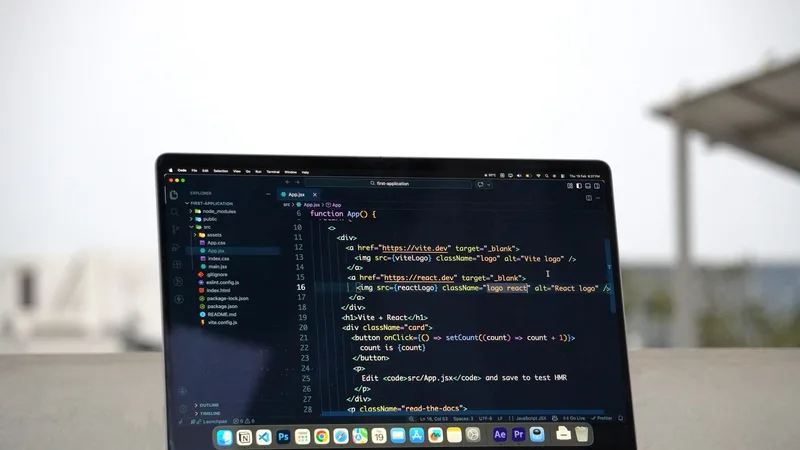
Creating your first web application can be an exhilarating journey. As I sat in my home office, the soft glow of my laptop screen illuminating the room, I felt the familiar pulse of anticipation that…
Programming has transformed the way we interact with technology, creating possibilities for innovation and development. As a programmer, I often find myself immersed in lines of code, unraveling the complexities of language learning and how it shapes our understanding of the digital world
This exploration of programming highlights how coding enhances our technical skills and connects us to various fields, including online gaming and casino entertainment.
Programming and language learning share intriguing similarities that can enhance our understanding of both fields. As I’ve explored these subjects over the years, I’ve noticed how the structure and rules of programming languages often mirror those of human languages. Each has its syntax and semantics, which form the foundation of effective communication, whether between humans or machines. This connection opens up opportunities for learners keen to master new languages, be they spoken or coded.
Understanding these parallels can simplify the learning process. Many learners find themselves overwhelmed by the intricacies of grammar and code alike. By recognizing that both require a grasp of rules and patterns, learners can approach their studies with a more focused mindset. Here are some points to consider:
The concepts of syntax and semantics are crucial in both programming and language learning. Syntax refers to the set of rules that dictate how symbols are arranged, while semantics involves the meaning behind those arrangements. For instance, in programming languages like Python, the way code is structured can directly impact its functionality, much like how word order can alter the meaning of a sentence in English. By paying attention to these elements, learners can improve their coding skills while also enhancing their language abilities
Algorithms play a pivotal role in both programming and language acquisition. They provide a structured approach to problem-solving and can be applied to various learning methodologies. For example, language-learning applications often use algorithms to personalize lessons based on user performance. This adaptability helps learners progress at their own pace, making the process more efficient. Understanding how algorithms function can demystify the learning process and encourage students to experiment with different approaches to mastering a new language.
In the digital age, coding has become a vital tool for enhancing communication, particularly in language learning. As I’ve navigated both programming and educational technologies, I’ve seen how code can facilitate the creation of multilingual applications. These tools not only support language acquisition but also bridge cultural gaps, making communication more accessible across different languages. By leveraging coding, developers can create dynamic resources that cater to diverse learning needs.
Effective communication in language apps hinges on several key factors. Developers must consider not just the functionality of their code, but also how users will interact with their applications. Here are some essential aspects to keep in mind:
Building multilingual applications requires a thoughtful approach to coding and design. As I’ve witnessed in various development environments, the ability to cater to multiple languages requires not just translation but also cultural adaptation. This means considering idiomatic expressions, regional dialects, and local customs when creating content. Developers must be meticulous in their coding to ensure that the application functions seamlessly across different languages, providing an engaging experience for all users. The effort invested in this process can significantly enhance the learning experience for students worldwide
User interface (UI) design is critical in crafting effective language learning tools. A well-designed UI can greatly impact how users engage with an application. From my observations, a clean, intuitive interface allows learners to focus on the content rather than getting lost in complicated navigation. Features like responsive design, clear typography, and visually appealing layouts can make a significant difference. By prioritizing UI design, developers can create applications that facilitate learning and inspire users to continue their language journey.
In exploring the intersection of programming and language learning, we encounter innovative platforms that have transformed the way we acquire new languages. Among these, Duolingo stands out for its incorporation of gamification elements. By turning language learning into an engaging game, Duolingo leverages programming to create an interactive experience that keeps learners motivated and enhances retention. The playful nature of its design makes it appealing to users of all ages, ensuring that the learning process feels less like a chore and more like an enjoyable challenge.
Another key player in the language acquisition space is Rosetta Stone. This platform has revolutionized language learning through its technological innovations, utilizing speech recognition and immersive techniques to enhance user experience. These advancements are rooted in programming that allows for effective and personalized learning paths. As technology evolves, so too does the ability of these platforms to adapt, providing learners with tools that cater to their individual needs.
Duolingo's approach to gamification is a masterclass in engagement. By integrating elements such as points, levels, and rewards, the platform creates a competitive atmosphere that encourages users to continue learning. The daily streak feature, for example, motivates learners to practice regularly, fostering a sense of accomplishment. This method enhances retention and builds a community among users, who can share their progress and challenges. The sound effects and visual feedback further enrich the experience, making it feel like a game rather than a traditional learning method.
Rosetta Stone has harnessed technology to facilitate effective language learning. Its use of speech recognition software allows learners to practice pronunciation in real-time, providing instant feedback that is crucial for mastering a new language. The immersive method of teaching, which focuses on contextual learning rather than rote memorization, is backed by programming that tailors lessons to individual progress. This adaptability ensures that users remain engaged, which is essential for long-term retention of new languages.
The growth of the iGaming industry highlights the critical role that programming skills play in creating engaging online casino platforms. As more players turn to digital spaces for their gaming experiences, the demand for sophisticated programming has surged. Developers are now tasked with creating interactive environments that entertain and keep players coming back. The blend of creativity and technical skill is essential in designing games that are visually captivating and functionally seamless, ensuring a high-quality user experience.
The integration of advanced technologies such as virtual reality and artificial intelligence into gaming platforms demonstrates the evolving nature of this industry. These innovations enhance gameplay and allow for personalized experiences, driving player engagement. As programming continues to evolve, it will play a pivotal role in shaping the future of online casinos and the overall gaming experience.
Programming is at the heart of creating interactive gaming experiences in the iGaming sector. Developers use languages such as JavaScript, HTML5, and C++ to build dynamic games that captivate users. For example, real-time data processing enables live dealer games, providing players with an authentic casino experience from the comfort of their homes. The ability to create rich graphics and smooth animations relies heavily on programming skills, making it a cornerstone of game development. As players seek immersive experiences, the demand for skilled programmers who can bring these ideas to life continues to grow.
Data analysis plays a crucial role in the success of online gaming platforms. By collecting and analyzing player data, developers can understand user behavior and preferences, tailoring experiences to boost engagement and retention. For instance, casinos can track which games are most popular, allowing them to optimize their offerings based on real-time feedback. This data-driven approach is supported by programming that processes large volumes of information quickly and efficiently. As player expectations rise, the ability to leverage data effectively becomes essential for maintaining a competitive edge in the iGaming industry.
As a programmer, I’ve always been fascinated by how coding can shape user experiences in various domains, including the world of online casinos. The intricacies of bonus systems are particularly intriguing, as they rely heavily on programming to create offers that attract players. Understanding the mechanics behind these systems offers insights into the gaming industry and highlights the importance of programming in developing fair and engaging promotions.
The programming logic that underpins these bonuses is often complex. It involves algorithms that determine eligibility, calculate bonus amounts, and set wagering requirements. These behind-the-scenes processes can significantly influence how players interact with casino platforms. By examining these mechanics, we can appreciate the blend of technology and gaming that drives the online casino experience.
Every bonus system is designed with specific programming rules that dictate how bonuses function. For instance, a common approach involves setting a triggering condition, such as making a deposit or participating in a game. Once the condition is met, the program automatically allocates the bonus to the player’s account. This automation ensures that the process is seamless, allowing players to focus on their gaming experience rather than navigating complicated terms and conditions.
Coding plays a role in enhancing the visibility and accessibility of casino promotions. A well-designed interface can make it easier for players to find and take advantage of bonuses. For example, using bright colors and strategically placed banners can draw attention to current offers. Additionally, implementing user-friendly navigation can significantly improve the chances of players engaging with these promotions. Remember, a great bonus is only effective if players know about it! 🎉